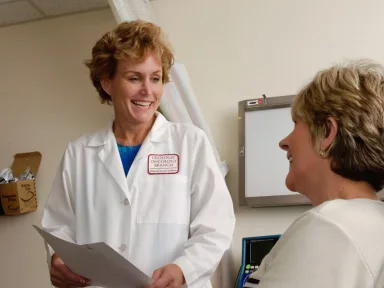
Expert transplant care. A new beginning with confidence.
When medical treatment is no longer enough for complex kidney or liver conditions, our specialised transplant team steps in. We blend surgical excellence with compassionate, long-term support - guiding you from pre-transplant assessment through surgery to lifelong post-transplant health.
Book an Appointment
Emergency
0712 299 9999 / +91 91729 70111 (Vashi)
Book an Appointment
Advanced Medical Infrastructure
Successful transplantation depends on specialised surgical facilities, advanced diagnostics and coordinated multidisciplinary care. Our transplant centre is equipped with modern infrastructure that supports patients before, during and after transplantation.
Our facilities include:
- Advanced modular operating theatres
- CT, MRI, Ultrasound, Doppler and Digital X-ray imaging
- Advanced tissue matching and laboratory services
- Comprehensive blood bank support
- Dedicated transplant intensive care units
- Advanced anaesthesia workstations
- Modern dialysis facilities
- Dedicated transplant coordination services
- Physiotherapy and rehabilitation facilities
Why Choose NewEra Hospitals?
Comprehensive multidisciplinary care
Our transplant surgeons, physicians, intensivists, transplant coordinators and rehabilitation specialists work together to deliver seamless care throughout the transplant journey.
Thorough pre-transplant evaluation
Every patient undergoes detailed medical assessment, compatibility testing and counselling to ensure safe, personalised treatment planning.
Lifelong transplant support
Care continues well beyond surgery through regular follow-up, medication management, nutritional guidance and rehabilitation to promote long-term transplant success.
Advanced clinical infrastructure
Dedicated transplant operating theatres, specialised ICUs, diagnostic facilities and laboratory support enable safe, evidence-based transplant care.
Compassionate patient-centred approach
We believe informed patients achieve better outcomes. Our team provides clear guidance, compassionate support and personalised care at every stage.
When Should You Consult a Transplant Specialist?
Seek specialist evaluation if you experience:
- Advanced kidney or liver disease despite ongoing treatment
- Persistent swelling of the legs, ankles or abdomen
- Reduced urine output or worsening kidney function
- Persistent jaundice (yellowing of the eyes or skin)
- Severe fatigue, weakness or unexplained weight loss
- Recurrent dialysis complications
- Acute or chronic liver failure
- Fever, pain or reduced organ function after a previous transplant
Our Centre of Excellence
Where we excel
Harnessing the power of innovation to deliver superior clinical outcomes.
Our Expertise
Treatments & Procedures
Kidney Transplant Programme
Comprehensive evaluation, transplant surgery and long-term follow-up for patients with end-stage kidney disease.
Liver Transplant Programme
Advanced medical and surgical care for patients requiring liver transplantation.
Living Donor Evaluation
Detailed medical, surgical and psychological assessment to ensure donor suitability and safety.
Recipient Evaluation
Comprehensive assessment to determine transplant eligibility and optimise health before surgery.
Pre-Transplant Counselling
Patient and family education to prepare for the transplant journey and long-term care.
Compatibility & Tissue Matching
Advanced blood group and tissue compatibility testing to support successful transplantation.
Transplant Coordination
Dedicated coordinators guide patients through evaluation, surgery, hospitalisation and follow-up.
Dialysis Support
Haemodialysis and peritoneal dialysis services before or after kidney transplantation when required.
Hepatology & Nephrology Care
Specialist medical management before and after transplantation.
Advanced Critical Care
Dedicated intensive care support for complex transplant procedures.
Post-Transplant Follow-up
Regular monitoring to assess organ function, recovery and long-term transplant health.
Immunosuppressive Therapy Management
Careful medication monitoring to minimise rejection and maintain graft function.
Nutritional Counselling
Individualised dietary guidance to support recovery and long-term wellbeing.
Physiotherapy & Rehabilitation
Structured rehabilitation programmes to restore strength and functional independence.
Infection Prevention & Monitoring
Continuous surveillance and preventive care to reduce infection risk after transplantation.
International Patient Services
End-to-end assistance for overseas patients seeking transplant care.
Second Opinion Services
Expert review of transplant eligibility and treatment plans for informed decision-making.
Trending
View all trendingTrending Blogs in Organ

Heart Health
 admin
admin
Recognising the Early Warning Signs of Heart Disease
Learn how cholesterol impacts cardiovascular health and discover practical ways to reduce your risk before symptoms appear.
admin

Women's Wellness
admin
A Complete Guide to Pregnancy Care by Trimester
From early screenings to delivery preparation, explore what to expect during every stage of a healthy pregnancy.
admin

Bone & Joint Care
admin
When Is Knee Replacement Surgery the Right Choice?
Understand the signs, benefits, recovery process, and treatment alternatives for chronic knee pain before choosing surgery.
admin
Patient Stories
Stories of Care and Recovery
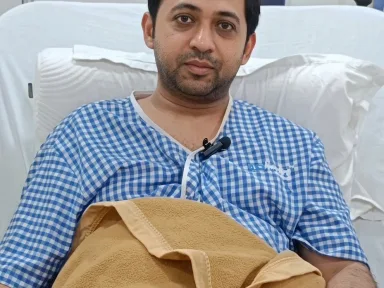
I would like to appreciate the facilities of the hospital. The doctors are very good. They treated me very well with respect to all the aspects
Vishal Kaneria
Treatment for Plasmodium Vivax Malaria Fever
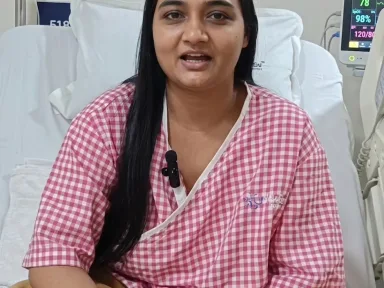
Hospital staff all are very supportive, coordinated, well coordinated which ensures your hassle-free treatment. So I highly recommend Dr. Prakash and New Era Hospital
Priyanka Jagtap
Treated for Left Pelviureteric Junction Calculus with Hydronephrosis
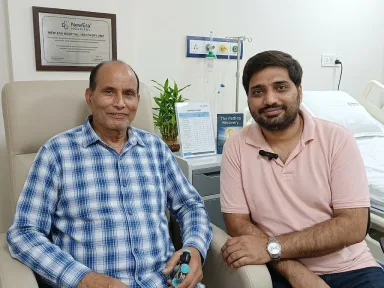
I thank the office, hospital staff, supporting staff so much. They are very supportive.
Nandakumar Mishra
Treated for Ischemic Heart Disease
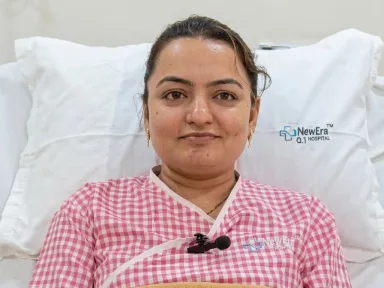
The process here with relevant stakeholders is so smooth, not even once anybody bothered me... I would definitely recommend anybody going through any severe ailments or issues, they can always consider NewEra Hospital.
Roshni Dubey
Treatment for Left-Sided Peritonsillar Abscess
720+
Bed Strength
170+
Doctors
6 Lacs+
Patients touched so far
24×7
Emergency, Pharmacy & Pathology
Frequently Asked Questions
An organ transplant replaces a diseased or failing organ with a healthy donor organ to restore function and improve quality of life.
Patients with advanced kidney or liver failure who no longer respond adequately to medical treatment may benefit from transplantation.
A living donor transplant uses an organ donated by a healthy living person, while a deceased donor transplant uses organs donated after death according to legal guidelines.
Eligibility is determined through detailed medical evaluation, laboratory tests, imaging, psychological assessment and overall health review.
Pre-transplant evaluation typically includes blood tests, tissue matching, imaging, cardiac assessment and other investigations based on the patient's condition.
Recovery varies for every patient but includes hospital care, rehabilitation, regular follow-up and lifelong medication to protect the transplanted organ.
These medicines reduce the risk of organ rejection by suppressing the body's immune response and are usually required for life.
Many patients return to work, travel and daily activities after recovery with regular follow-up and adherence to prescribed treatment.
Potential risks include infection, organ rejection, bleeding, medication side effects and surgical complications, all of which are carefully monitored by the transplant team.
Regular follow-up helps monitor organ function, adjust medications, detect complications early and maintain the long-term health of the transplanted organ.